

Introduction: Charging an EV Depends On The Lifestyle
AC vs DC EV charging is often discussed in terms of speed, but speed alone rarely determines whether a charging installation is successful. What matters more is how energy is delivered, how long a vehicle remains connected, and how consistently that process fits into normal operating patterns.
At the core of every EV charging system is a simple decision: where the conversion from alternating current (AC) to direct current (DC) takes place. That decision influences the equipment size, the electrical demand, the installation complexity, and the overall long-term scalability. Understanding this distinction allows property owners, fleet operators, and developers to design charging infrastructure that works with operational usage patterns they have seen and/or are anticipating. If you would like to dive deeper into the theory of AC and DC power, feel free to click here.
This article breaks down:
- How AC and DC EV charging differ at a fundamental level
- The different levels of AC charging and where they are most effective
- Why charging speed alone is rarely the right decision metric
- How charging infrastructure should align with real-world vehicle behavior
Two Forms of Power, One Battery
Utility power is delivered as alternating current (AC). Vehicle batteries store energy as direct current (D/C). Regardless of the charger type, every charging session must reconcile that difference. In other words, take that alternating current (AC) that is being supplied by the power company and convert that energy into a direct current (DC) the car’s batteries can use.
The distinction between AC and DC charging is not about availability of power, but about where the conversion occurs (the charger) and how that choice influences control, efficiency, and load management.
AC Charging: Distributed, Predictable, and Scalable
With AC charging, power is delivered to the vehicle in its original form and converted internally by the vehicle’s onboard charger. This naturally limits the charging speed but provides consistency and reduces strain on the property’s electrical infrastructure.
AC charging favors steady energy transfer over longer connection times, making it well suited for environments where personal or company vehicles remain parked for hours rather than minutes.
The Different Levels of AC Charging


Level 1 AC Charging
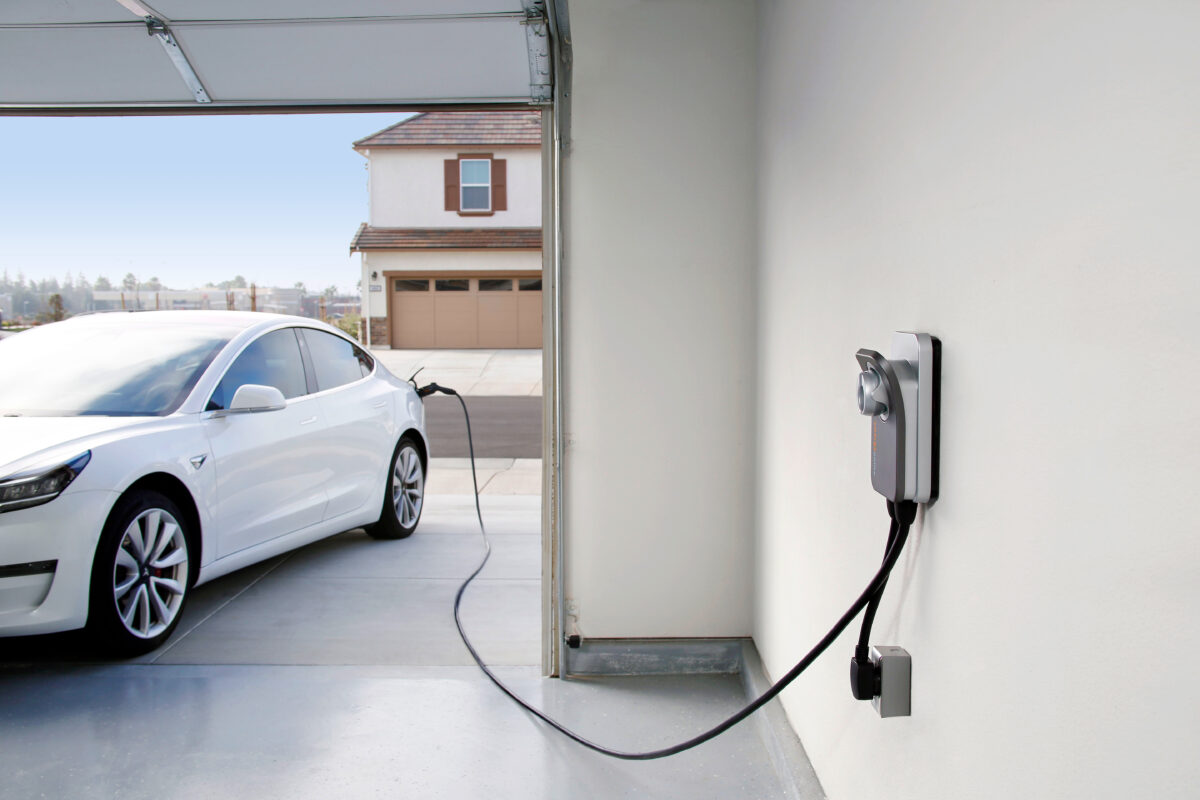
Level 1 charging uses standard low-voltage service (120V AC). Energy transfer is minimal and best suited for residential or contingency use. In commercial or public environments, its limitations outweigh its simplicity and create more problems than solutions.
Level 2 AC Charging
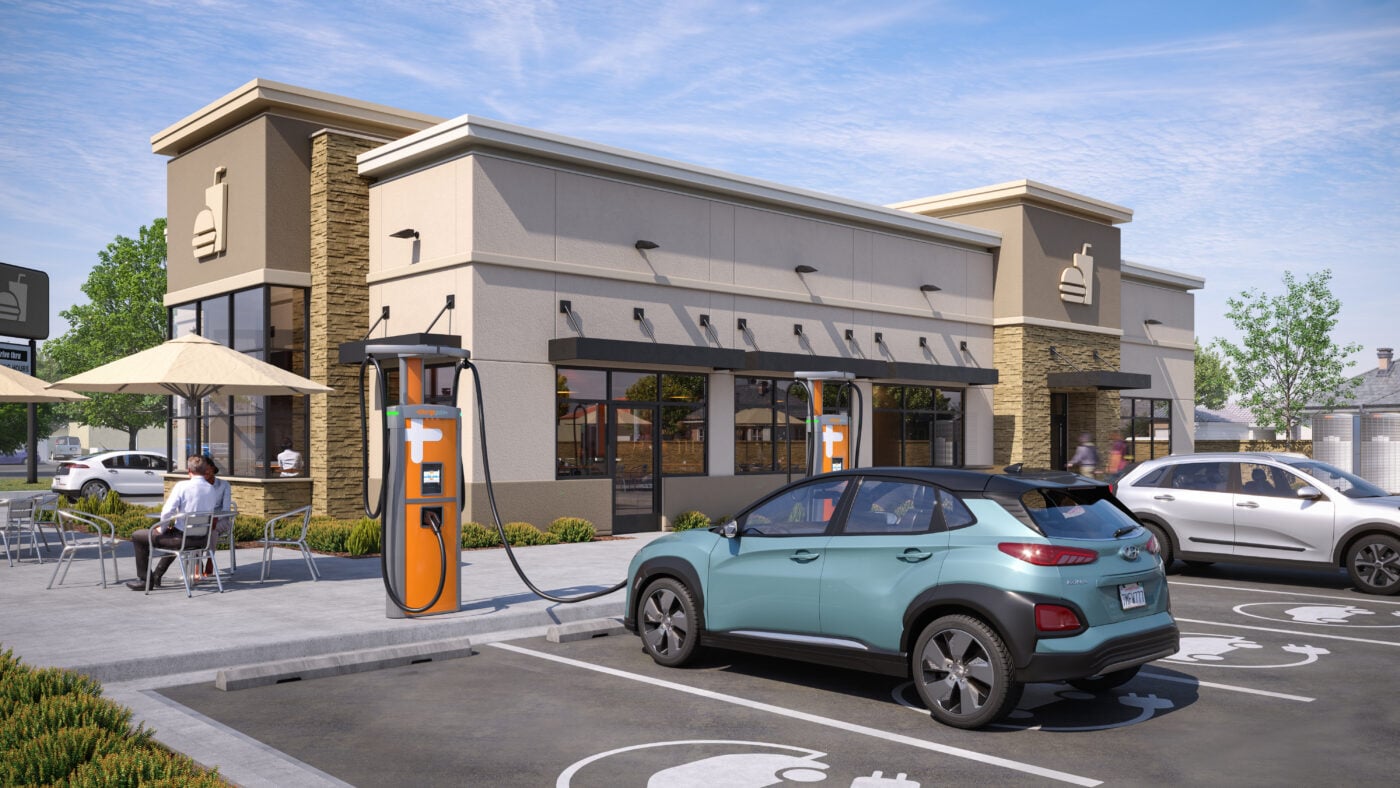
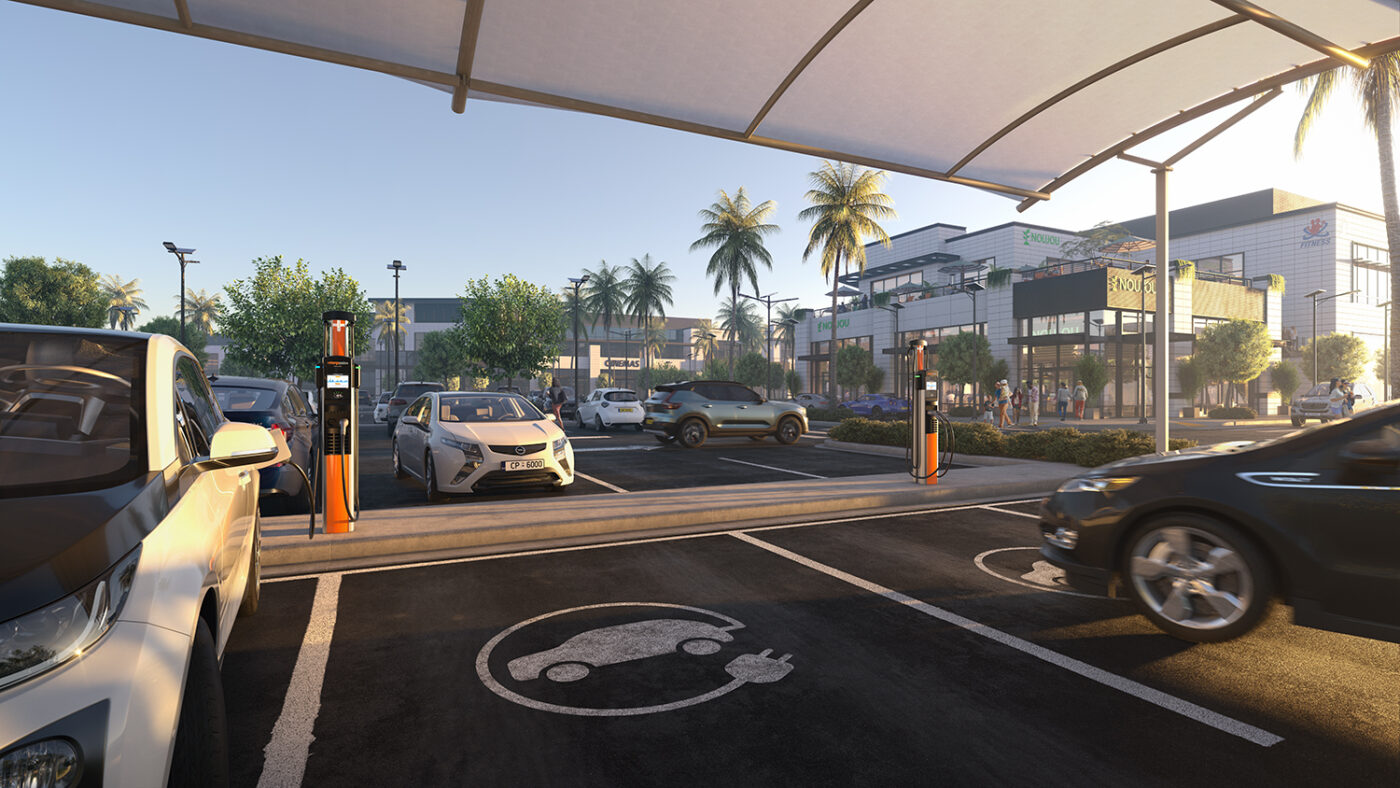
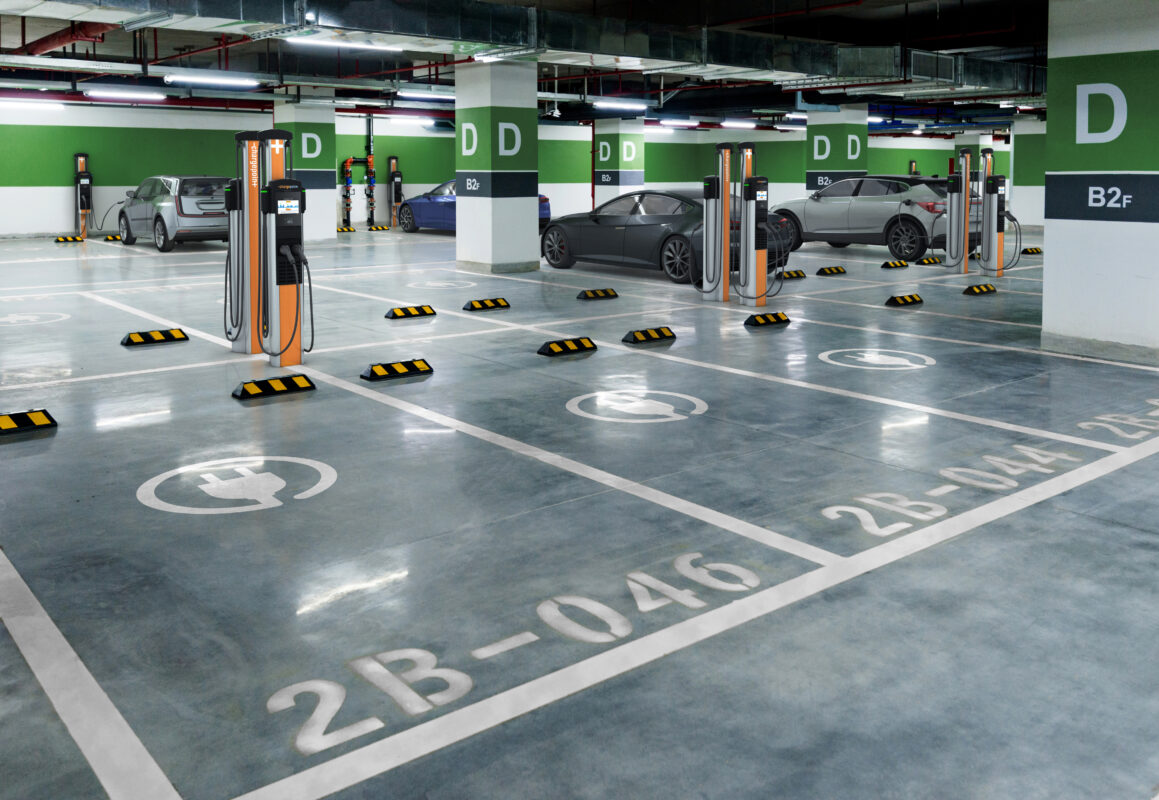
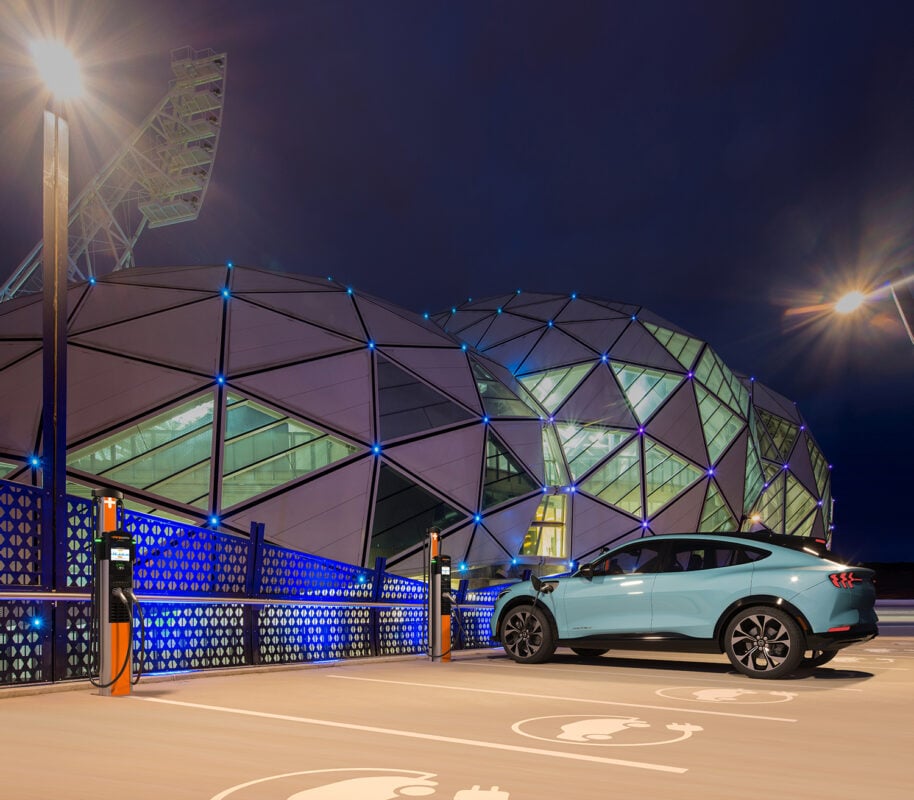
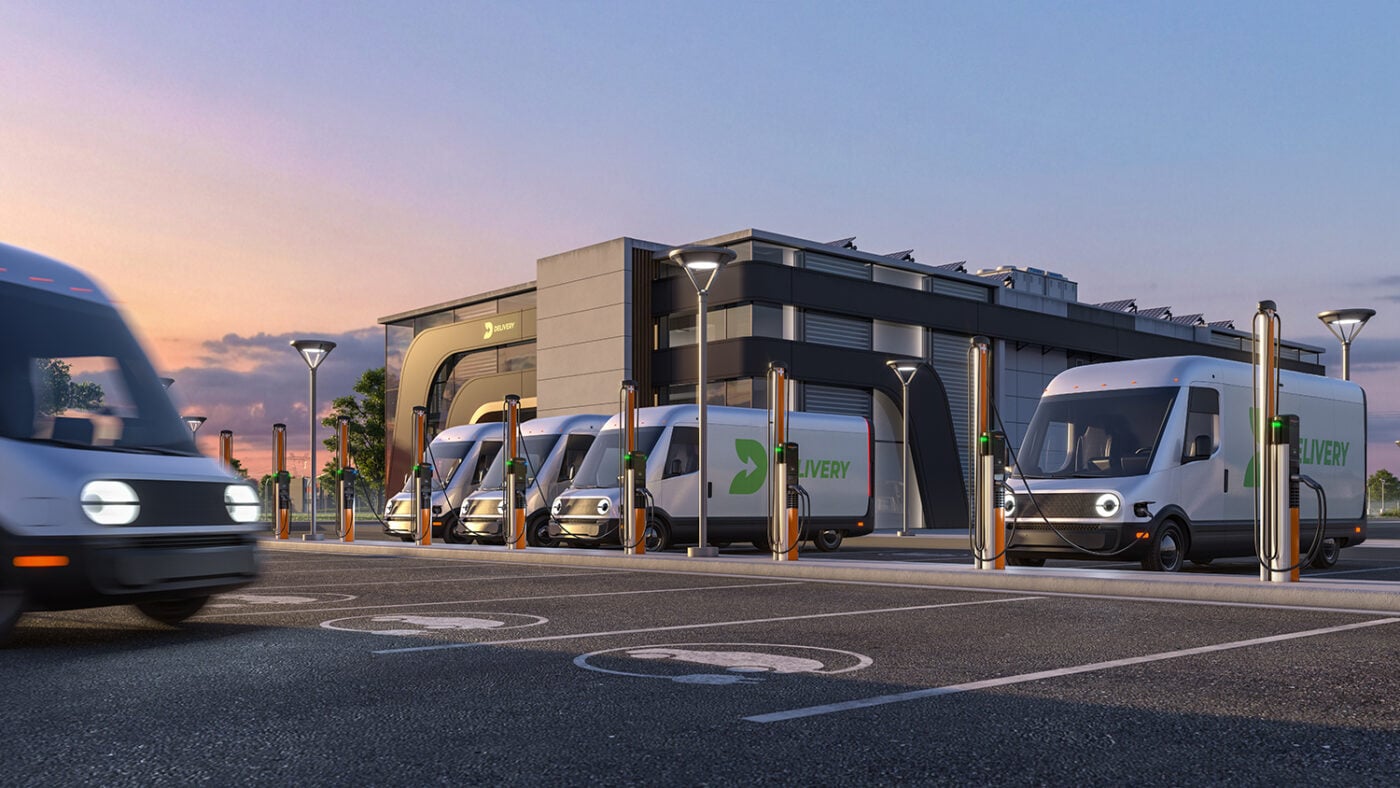
Level 2 charging operates at higher voltage (208V AC or 240V AC) and provides a practical balance between charging speed and electrical demand. It is the most common solution for workplaces, retail centers, multifamily properties, hospitality sites, and fleet depots.
- 240V AC – typical in residential and light commercial settings
- 208V AC – common in commercial buildings with three-phase service
Because energy is delivered consistently over predictable charging times, vehicles can recover daily usage without requiring peak-capacity electrical builds. This makes Level 2 charging both operationally efficient and economically scalable. It makes the most “cents”.
Why AC Charging Aligns With Your Real-World Use
Most vehicles are stationary far longer than the time required to replenish their daily energy needs. AC charging takes advantage of that reality by spreading energy delivery across normal parking durations.
This approach mirrors how many systems function best: gradual input, controlled conversion, and minimal stress on any single component. Over time, that consistency supports reliability and expansion without forcing the property’s infrastructure to operate at its limits. My having extended time you are able to lower the load resulting in lower power requirements.
DC Charging: Centralized Power and Compressed Time
DC charging relocates the AC-to-DC conversion from inside the vehicle to inside the charging equipment itself. By delivering power directly to the battery and not being limited to your vehicles on board converter, higher charging rates now become possible.
This model is designed for scenarios where vehicles cannot remain connected for extended periods, such as highway corridors, interstate highways, or high-utilization government or commercial fleet operations. The trade-off is increased electrical demand, more complex equipment, and greater coordination with utility companies. To accomplish this Alpha Power is proud to be partnered with the following companies:



Speed Is Not Always Efficiency
While DC charging reduces the connection time, it concentrates electrical load into shorter charging intervals. That concentration introduces higher demand charges, thermal considerations, and infrastructure complexity that may not provide proportional value after an investment into the infrastructure of the property.
In environments where vehicles already stay parked for long periods, faster charging does not always translate into better performance or lower operating costs. Every scenario is different.
Designing Charging Infrastructure Around Behavior
Effective EV charging design begins with understanding how vehicles move through a site or property:
- Average parking duration
- Frequency of return visits
- Whether charging is incidental or intentional
When infrastructure is aligned with these patterns, charging becomes unobtrusive. Energy flows steadily, systems remain balanced, and expansion can occur without disruption. Planning is a fundamental factor in the environment of EV Charging.
Power Perspective
EV charging is fundamentally about managing energy over time. AC and DC systems approach that challenge differently, each serving a specific role within a well-designed infrastructure strategy.
For commercial properties, fleets, and new developments, the right charging approach is less about maximum speed and more about aligning electrical capacity, usage patterns, and long-term scalability. When planned correctly, EV charging infrastructure can reduce upfront costs, streamline permitting, and grow with demand instead of forcing costly retrofits later.
If you are evaluating EV charging for your site, the next step is a site-level discussion. A proper assessment allows service capacity, charging mix, and installation considerations to be reviewed in the context of how your property actually operates today with keeping future plans in mind.
